Product Description
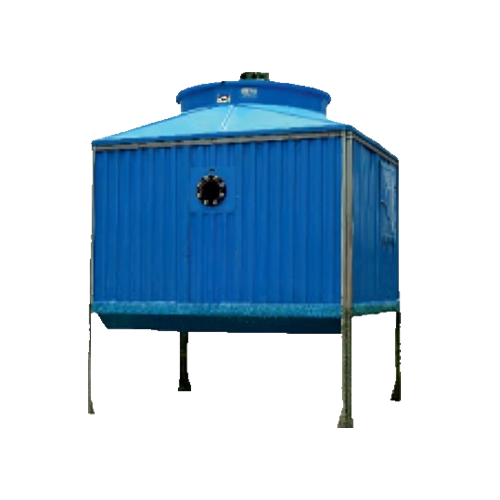
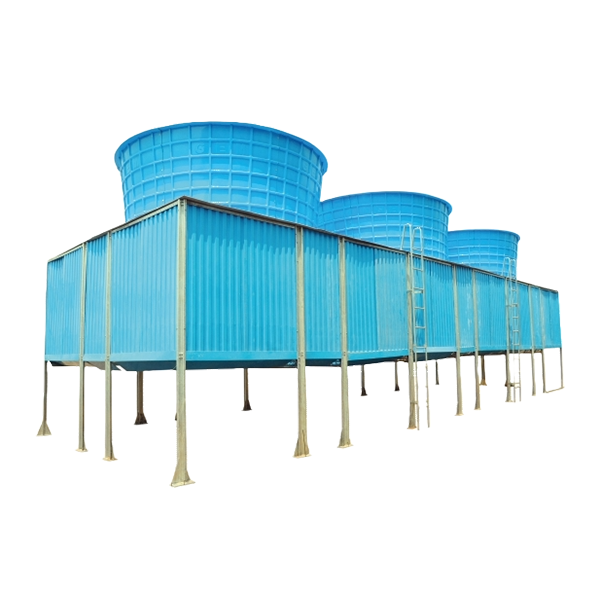
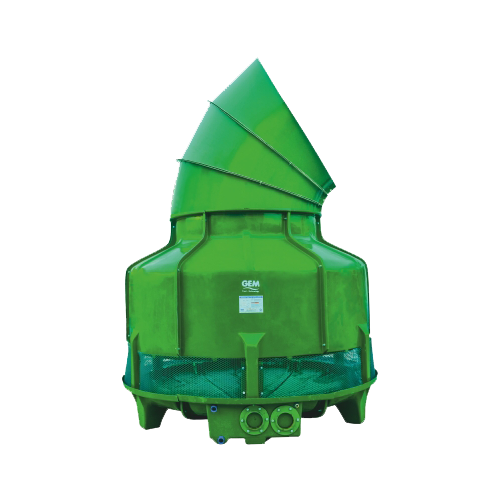
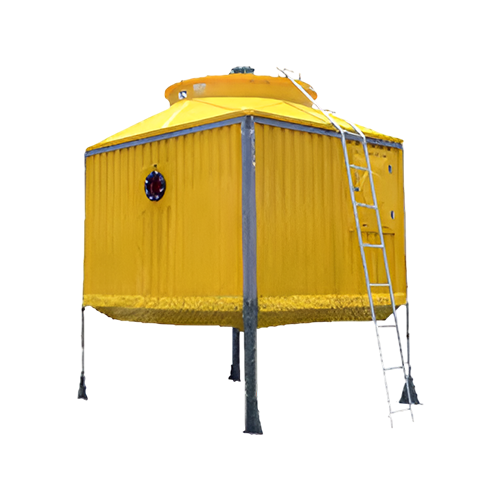
SCT-H Cooling Towers GEM Equipments
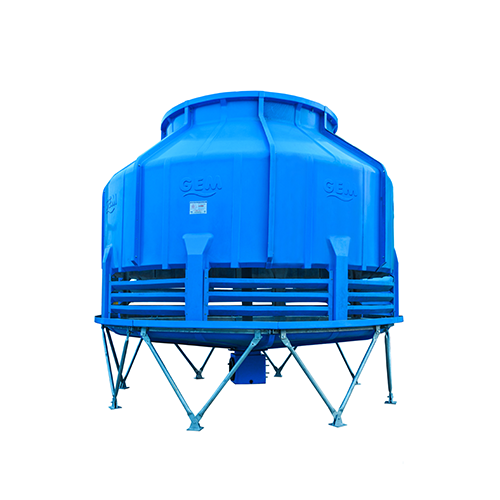
GEM SCT-H Cooling Towers are designed for high-efficiency heat rejection, compact installation, and reliable industrial performance. Built with a robust FRP structure and a counter-flow induced draft design, SCT-H towers ensure uniform water distribution and consistent coolingindependent of wind direction.
Equipped with high-efficiency PVC fills, energy-saving axial fans, and uniform water distribution systems, SCT-H cooling towers deliver optimal thermal performance with low power consumption and minimal maintenance. Their corrosion-resistant construction makes them ideal for continuous operation in demanding industrial environments.
SCT-H Cooling Towers by GEM offer a durable, cost-effective cooling solution for process industries, HVAC, compressors, and general industrial applications.
Versatile Fan and Frame ConfigurationsSelect between axial or centrifugal fan types to match your facility's precise airflow needs, from 2,000 to 200,000 CFM. The robust frames are constructed from galvanized steel or stainless steel, ensuring structural integrity even in challenging environments. This flexibility supports both field-erected and factory-assembled installations, making the towers suitable for diverse settings across India.
Enhanced Efficiency Through Maximized Heat ExchangeOur cooling towers are designed with a maximized heat exchange surface, utilizing high-grade PVC or PP splash fills. This design ensures efficient water-air interaction, significantly lowering outlet water temperatures and optimizing energy use. The advanced heat transfer area leads to a reduction in operational costs and improved system performance for industrial, process cooling, or HVAC applications.
Durability and Long Service LifeWith corrosion-resistant coatings and top-quality materials such as FRP, HDG, SS, and MS, these cooling towers withstand the rigors of continuous operation. Regular maintenance can extend the lifespan over 15 years, while optional PLC/SCADA controls support proactive system monitoring and automation for consistent, reliable performance regardless of application.
FAQ's of Cooling Tower Plants:
Q: How is the heat exchange area maximized in these cooling tower plants?
A: The cooling towers utilize advanced PVC or PP splash fills and optimized internal layouts to increase the contact surface between water and air. This maximized heat exchange area ensures higher efficiency, resulting in better cooling performance and energy savings.
Q: What types of fans and frame structures are available for different applications?
A: You can choose between axial and centrifugal fans based on air flow requirements. Frame materials are available in galvanized steel or stainless steel, providing durability and suitability for various industrial or commercial installations, including those requiring field erection or factory assembly.
Q: When should maintenance be performed to ensure a long service life?
A: Routine inspections and maintenance-such as cleaning fills, checking motors, and inspecting corrosion-resistant coatings-are recommended every few months. Proper care supports a service life of over 15 years, minimizing downtime and avoiding unexpected repairs.
Q: Where can these cooling towers be installed?
A: These cooling towers can be deployed in industrial plants, process cooling systems, large HVAC installations, and refrigeration facilities. Their modular design and robust construction allow installation across varied climatic and operational environments throughout India.
Q: What are the noise and drift loss specifications of these cooling towers?
A: Designed for operational safety and comfort, the towers generate noise levels below 80 dB(A) and achieve drift losses of less than 0.02% of the circulating water flow, helping to maintain environmental compliance and workplace safety.
Q: How does the automation system enhance the operation of cooling towers?
A: Optional PLC/SCADA-based controls enable automated system monitoring, adjustment, and diagnostics. This automation improves operational consistency, optimizes energy use, and allows for remote management, making the cooling system more efficient and user-friendly.
 Send Inquiry



 Send Inquiry