Product Description
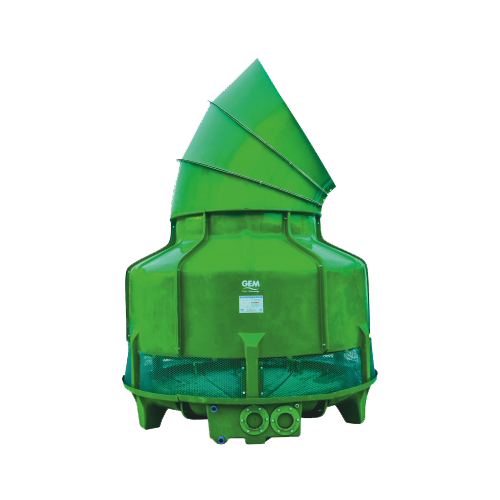
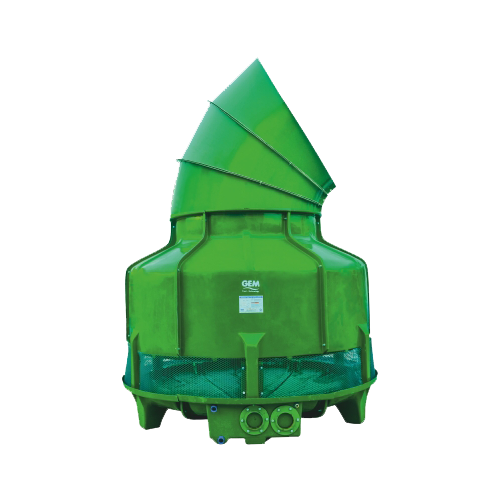
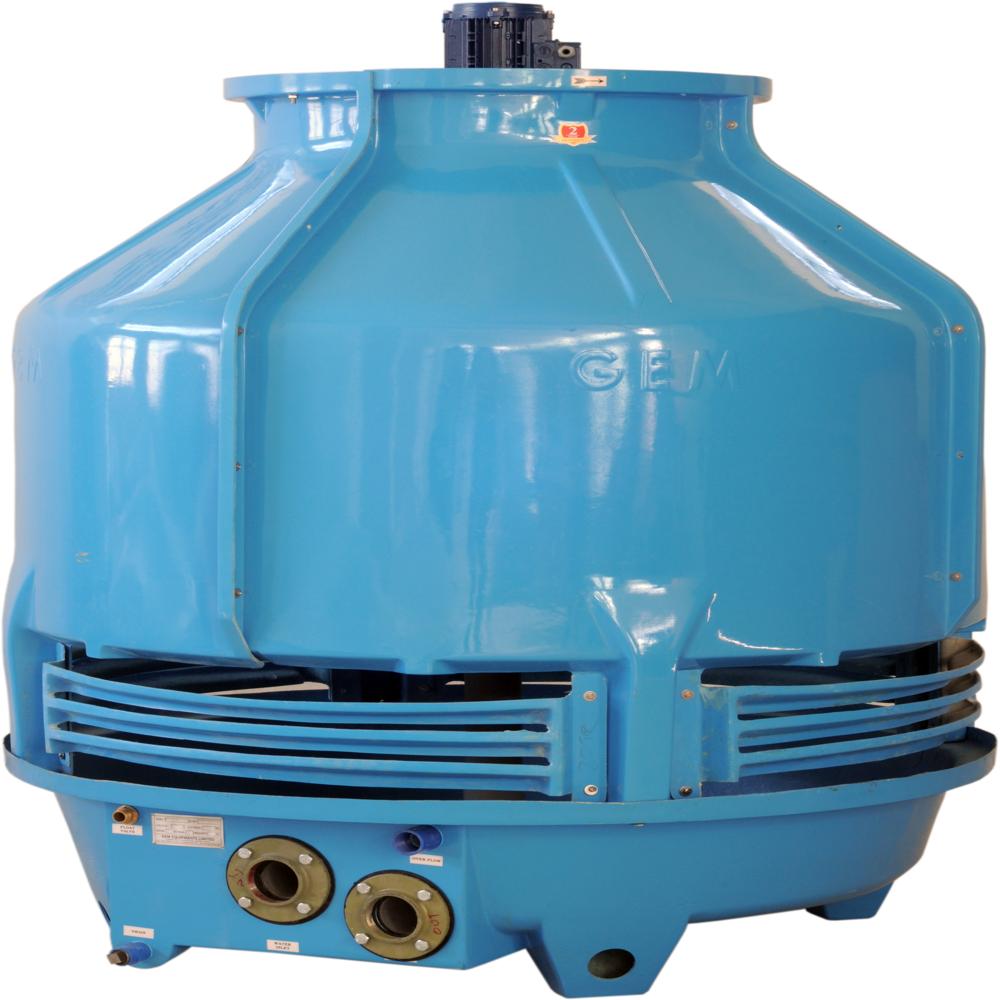
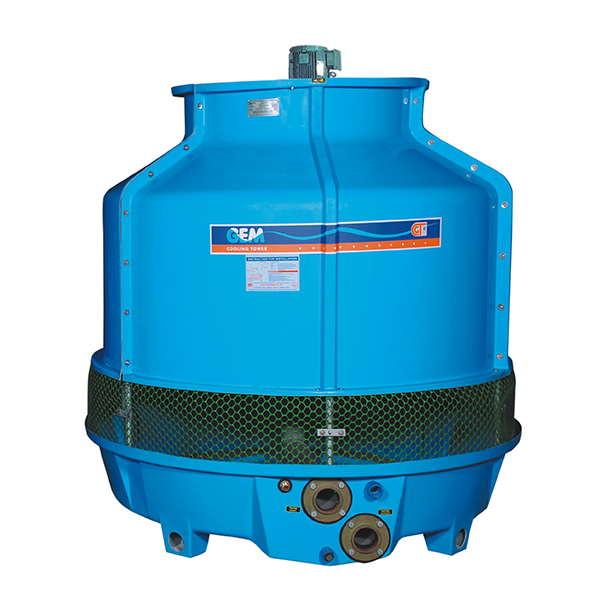
Quiet Cooling Towers GEM Equipments
GEMs Quiet Cooling Towers are specially engineered for applications where low noise operation is critical. Designed with advanced fan technology and optimized airflow, these towers deliver efficient heat rejection while significantly reducing sound levelsmaking them ideal for installations near residential areas, hospitals, offices, and noise-sensitive industrial environments.
Built with corrosion-resistant FRP construction and high-efficiency PVC fills, GEM Quiet Cooling Towers ensure reliable performance, long service life, and minimal maintenance. The compact design, energy-efficient operation, and smooth airflow make them a dependable cooling solution without compromising comfort or compliance.
Quiet performance. Reliable cooling. Trusted GEM engineering.
Advanced Axial Fan and Structural DesignThe cooling tower utilizes a high-efficiency, aerodynamically designed axial fan, providing robust airflow and consistent cooling performance. Constructed with corrosion-resistant materials-including a hot dip galvanized or stainless steel frame and FRP superstructure-this tower is built to endure both outdoor and indoor environments.
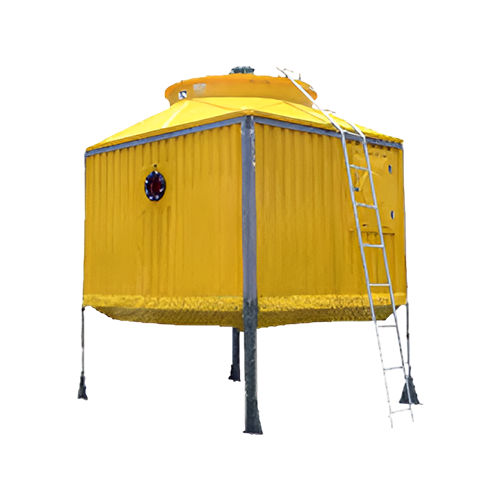
Flexible Installation and MaintenanceFeaturing a modular, sheet-packed design for easy on-site assembly, this cooling tower adapts to various mounting platforms-floor, RCC, or structural. Convenient access panels and low-maintenance components, like honeycomb PVC fills and rotary distribution systems, further streamline routine servicing and operational upkeep.
Optimized for Industrial and Commercial UseEngineered to handle water flow rates from 50 to 500 m3/hr (depending on model) and temperatures up to 60C, the tower is suitable for diverse sectors such as power plants, manufacturing, HVAC, and distilleries. Its customizable sizing and IS/CTI compliance meet a wide range of cooling demands.
FAQ's of Induced Draft Cooling Tower:
Q: How does the induced draft cooling tower create efficient cooling without using a compressor?
A: Our induced draft cooling tower employs an axial fan to draw air through the system, facilitating the evaporation of water and heat dissipation. Unlike a chiller, it operates without a compressor, making it energy-efficient and ideal for large-scale cooling applications.
Q: What materials are used to ensure durability and resistance to corrosion?
A: The cooling tower utilizes hot dip galvanized or stainless steel for its frame, FRP (Fibre Reinforced Plastic) for its primary structure, and galvanized steel hardware. PVC is used for the fill and drift eliminators, ensuring high resistance to corrosion and an extended lifespan even in harsh environments.
Q: Where can the cooling tower be installed, and are mounting options flexible?
A: This cooling tower is designed for installation on floors, RCC slabs, or custom structural platforms, offering adaptability to various project sites, whether indoors or outdoors.
Q: What is the assembly and installation process for this cooling tower?
A: The tower is delivered sheet-packed for simplified, on-site assembly. Detailed installation guides and service support are provided, enabling swift setup by experienced crews or your maintenance team.
Q: When is this cooling tower particularly beneficial for industrial operations?
A: It is especially advantageous when robust, large-scale cooling is needed-such as in power plants, chemical processing, distilleries, and HVAC. Its high volume water and air flow rates accommodate demanding thermal loads, while low maintenance requirements minimize downtime.
Q: How does the water distribution system contribute to cooling efficiency?
A: Equipped with either a rotary sprinkler head or a fixed pipe with ABS/polypropylene nozzles, the water distribution system ensures uniform water spread over the fill, enhancing evaporation and cooling efficiency.
Q: What steps are taken for noise control in this cooling tower?
A: Low noise operation is achieved through FRP or aluminum axial fans and optional sound attenuators. This design minimizes operational sound, which is particularly important for installations near populated or noise-sensitive zones.
 Send Inquiry



 Send Inquiry