Product Description
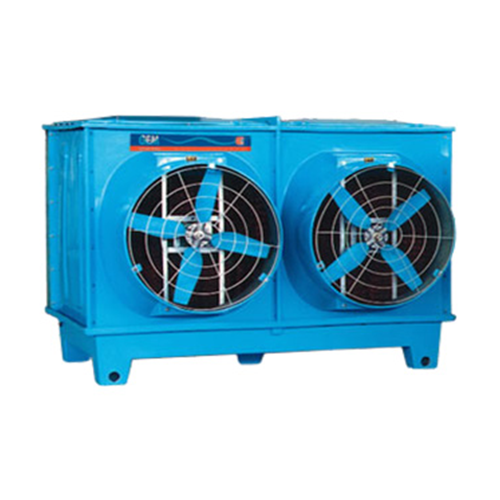
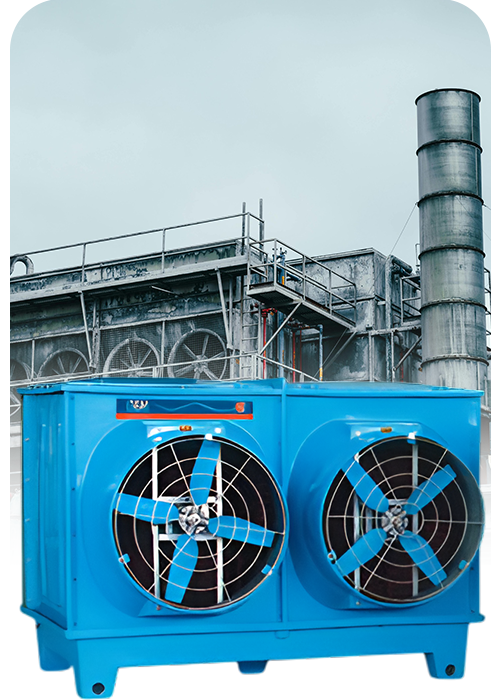
In a closed circuit cooler, heat from the process fluid is transferred through a continuous coil system. The hot process fluid circulates inside the coil, while cooling water cascades uniformly over the outer surface of the coil tubes. Simultaneously, ambient air is drawn through air inlet louvers at the base and moves upward across the coil.
A small portion of the cooling water evaporates, carrying away heat from the process fluid. The resulting warm, moisture-laden air is then discharged into the atmosphere, ensuring efficient and controlled heat dissipation without direct contact between the process fluid and cooling water.
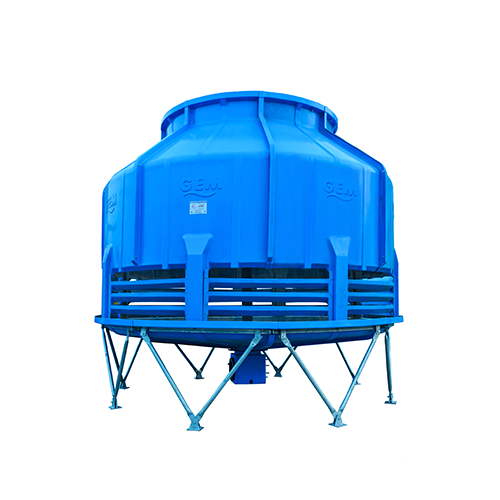
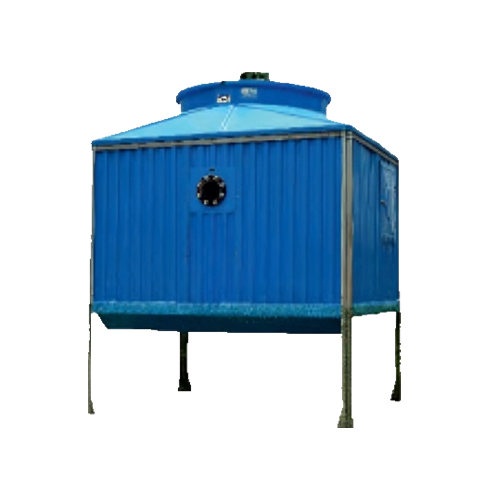
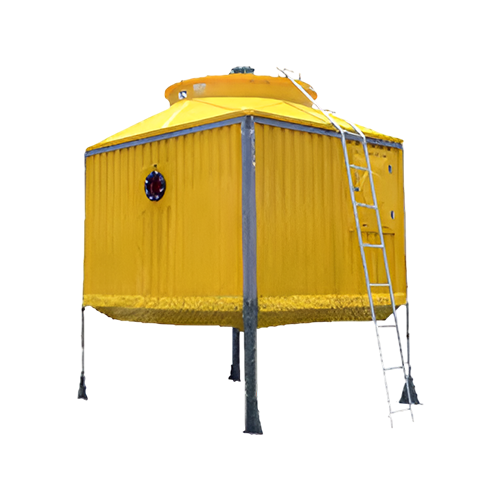
Versatile Design for Every ApplicationThese cooling tower plants offer diverse configurations-induced, counterflow, crossflow, bottle type, and forced draft-catering to a wide range of industries. Their versatile material choices include FRP, galvanized steel, stainless steel, and concrete, making them adaptable to varying site requirements and weather conditions. Each system is meticulously engineered to ensure optimal performance, durability, and ease of integration into existing or new plant layouts.
Efficient Water and Energy SavingsIncorporating state-of-the-art drift eliminators and honeycomb fills, our cooling towers are optimized to minimize water consumption without compromising thermal performance. The integration of premium motors and precise airflow controls ensures reduced operational cost and sustainable operation. Our design philosophy centers on balancing energy usage with superior cooling results, delivering long-term value for industrial stakeholders.
FAQ's of Cooling Tower Plants:
Q: How are these cooling tower plants tailored to different industrial applications?
A: Our cooling tower plants feature customizable options such as single or multi-cell designs, multiple fan types (axial/FRP, aluminium/cast aluminium), and flexible airflow and water flow capacities. This allows for seamless adaptation to industrial process cooling, HVAC, power, and chemical industries, ensuring the configuration meets your plant's operational demands.
Q: What water saving features are incorporated in these cooling towers?
A: The towers are equipped with optimized PVC/PP drift eliminators and film type honeycomb fills. These components are designed to maximize heat exchange efficiency while significantly reducing water loss from drift and evaporation, supporting sustainability and cost efficiency.
Q: When should I consider opting for thermal performance certification?
A: Thermal performance certification is recommended when you require documented assurance of the cooling tower's efficiency-often needed during plant commissioning or to meet project specifications, regulatory standards, or when applying for green building certifications. This certification is provided on request.
Q: Where can these cooling towers be installed?
A: These towers are suitable for both indoor and outdoor environments, owing to their robust construction options (FRP, stainless steel, concrete, galvanized steel), and weather-resistant finishes. Our team also offers installation services to ensure proper site integration.
Q: What is the process for customizing the airflow and water flow rates?
A: Customization is based on your plant's specific requirements, such as air flow (2,500-120,000 CMH) and water rate (35-800 m3/hr). Our experts evaluate your process cooling needs, provide tailored design recommendations, and deliver units that fit your operational parameters precisely.
Q: How does the noise control feature benefit industrial operations?
A: With noise levels kept below 85 dB(A), our towers minimize sonic disturbances, helping industries comply with health and safety standards and maintain a more comfortable working environment for staff working nearby.
Q: What are the benefits of choosing customizable structure materials for cooling towers?
A: Selecting from materials like FRP, hot dip galvanized steel, stainless steel, or concrete lets you match the tower's durability, corrosion resistance, and structural strength with your environmental and operational demands, leading to extended service life and greater operational reliability.
 Send Inquiry



 Send Inquiry