Product Description
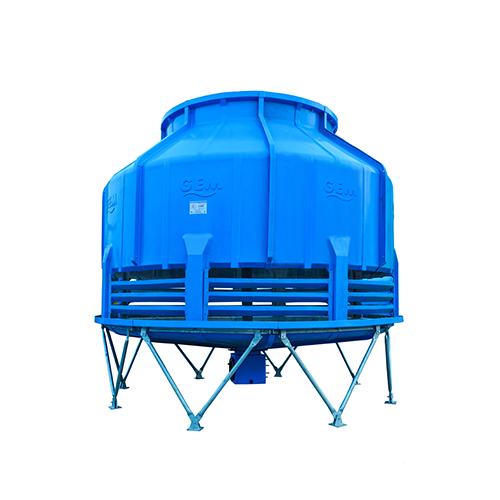
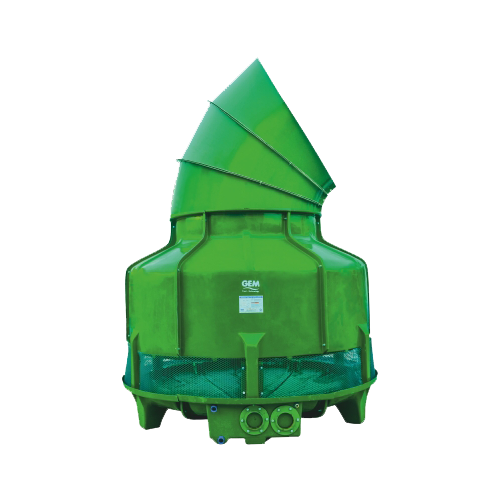
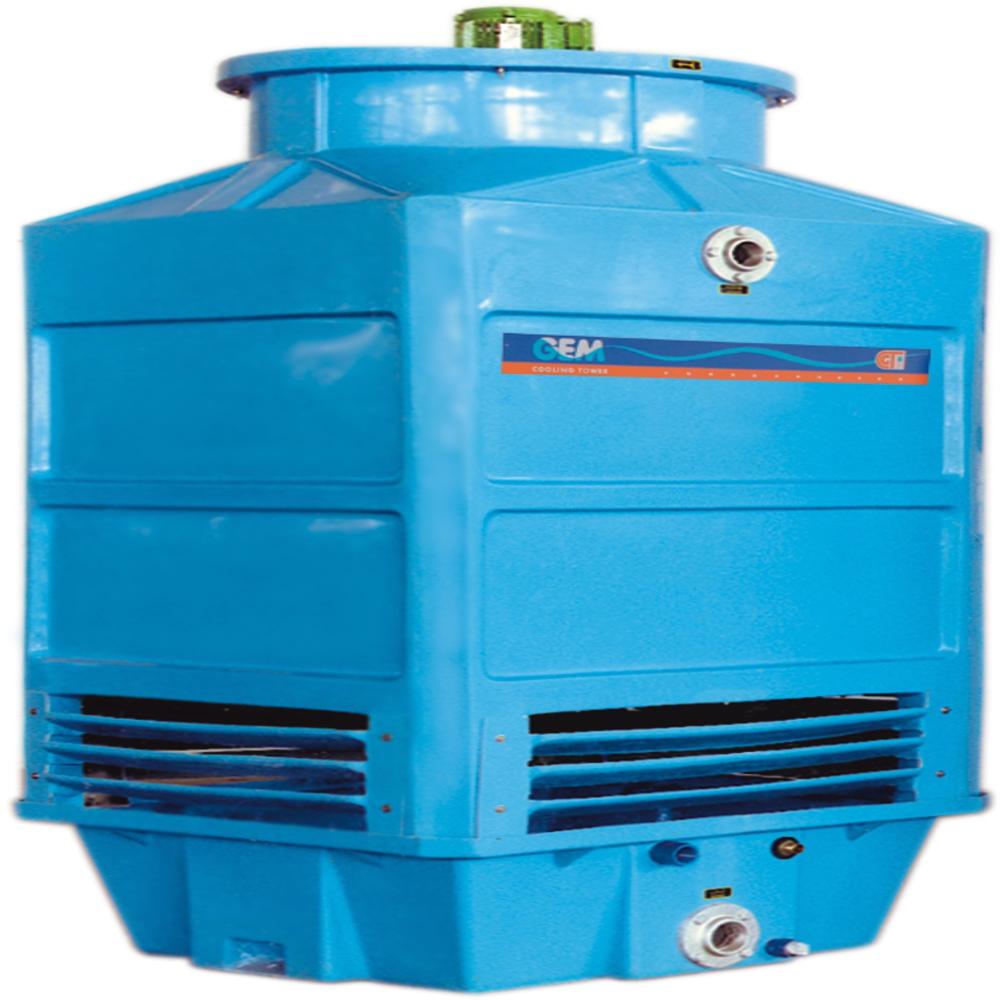
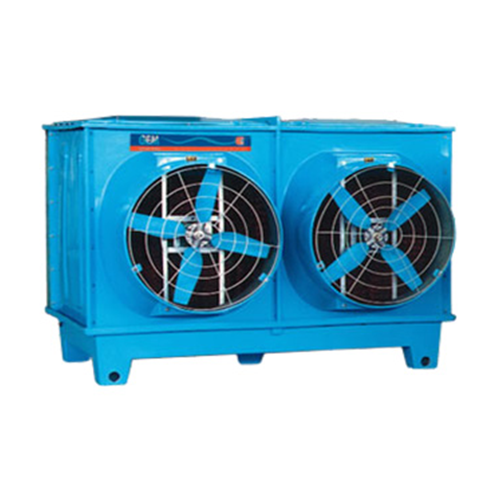
GCT-H Cooling Towers GEM Equipments
GEMs GCT-H Cooling Towers are designed for high-efficiency industrial cooling with reliable performance and long service life. Built with a robust FRP structure, these towers offer excellent resistance to corrosion and harsh operating conditions.
The induced draft counter-flow design ensures uniform water distribution and effective heat transfer, delivering consistent cooling performance. High-quality PVC honeycomb fills maximize air-water contact, while the automatic rotary sprinkler system ensures even water distribution with minimal maintenance.
Energy-efficient axial fans and IP55 motors provide low-noise operation and reduced power consumption. The compact, lightweight construction allows easy installation and simplified maintenance, making GCT-H cooling towers ideal for a wide range of industrial applications.
Reliable. Efficient. Easy to Maintain.
Engineered for Industrial PerformanceConstructed with corrosion-resistant FRP casing and either galvanized or stainless steel structural supports, these cooling towers are built for harsh industrial environments. Easy access hatches and sealed deep groove ball bearings enable effortless maintenance and extended operational life, while anti-vibration pads ensure stable, noiseless operation.
Flexible and Customizable SolutionsWith fan diameters, water and airflow rates, and cooling capacities tailored to your process, each tower fits precisely to application needs across diverse industries such as HVAC, chemical plants, and power generation. Options for fills, fan materials, and pump motors make it adaptable to unique operational requirements.
Efficient Cooling and Water ConservationUtilizing efficient axial flow fans and advanced fill materials, these towers offer stable cooling with outlet water temperatures typically between 28-33C and minimal drift loss (<0.02% of circulating water). The design ensures optimal performance with low noise and energy consumption, leading to significant operational benefits.
FAQ's of Induced Draft Cooling Tower:
Q: How does the induced draft cooling tower achieve efficient cooling for industrial applications?
A: The tower utilizes an axial flow fan to draw air through PVC honeycomb or wooden fills, maximizing contact with hot water from your system. This process enhances heat exchange, resulting in cooled water typically between 28-33C, ready for reuse in your operation.
Q: What materials are used in the construction of the cooling tower and how do they benefit the system?
A: The tower features an FRP anti-corrosive casing, galvanized or stainless steel supports, and leak-proof FRP/concrete basins. Fill materials include long-lasting PVC or wooden fills. These materials promote durability, chemical resistance, and low maintenance needs in demanding environments.
Q: When should the cooling tower undergo maintenance?
A: Routine maintenance should be scheduled according to operational load, but easy access hatches make regular visual inspections and component cleaning straightforward. It is advisable to check the fan, bearings, fills, and basin at least quarterly for optimal performance.
Q: Where can these cooling towers be installed effectively?
A: These towers are designed for outdoor installation at industrial sites such as chemical plants, power stations, and HVAC facilities across India. Freestanding units with anti-vibration pads adapt well to a variety of substrates, ensuring stable placement.
Q: What is the process of installation, and what power supply options are available?
A: The cooling tower is delivered in modular sections for simple assembly on-site. It operates on three-phase power (380V/415V or customized) at 50Hz/60Hz, compatible with standard industrial power infrastructure.
Q: What benefits are offered by the noise control and anti-fungal protection features?
A: Low noise operation ensures a comfortable work environment, while optional noise reduction accessories further minimize sound levels. The anti-fungal and UV-resistant paint protects the tower from environmental degradation, reducing downtime and extending service life.
 Send Inquiry



 Send Inquiry